Ergonomic Risk Assessment
An Ergonomic Risk Assessment is an in-depth quantitative assessment that identifies the risk factors and level of risk for musculoskeletal disorders (MSDs) in a job. Ergonomic Risk Assessments are an important piece of the puzzle in a MSD Prevention Program. They are also conducted when there is a history of MSD claims or workers report discomfort or have concerns about the physical demands of a job.
A Kinetic Kare Certified Ergonomist conducts the ergonomic risk assessment of the job or job task(s) in the work environment.
Who can benefit?
Workers and organizations can benefit from conducting ergonomic risk assessments. The risk assessment helps organizations to prioritize areas that require immediate attention to reduce the risks identified.
How long does an ergonomic risk assessment take?
The duration of the risk assessment varies, depending on the job.
What does an ergonomic risk assessment look like?
Step 1: The ergonomist conducts an interview with the organization to gain an understanding of the essential job tasks and concerns.
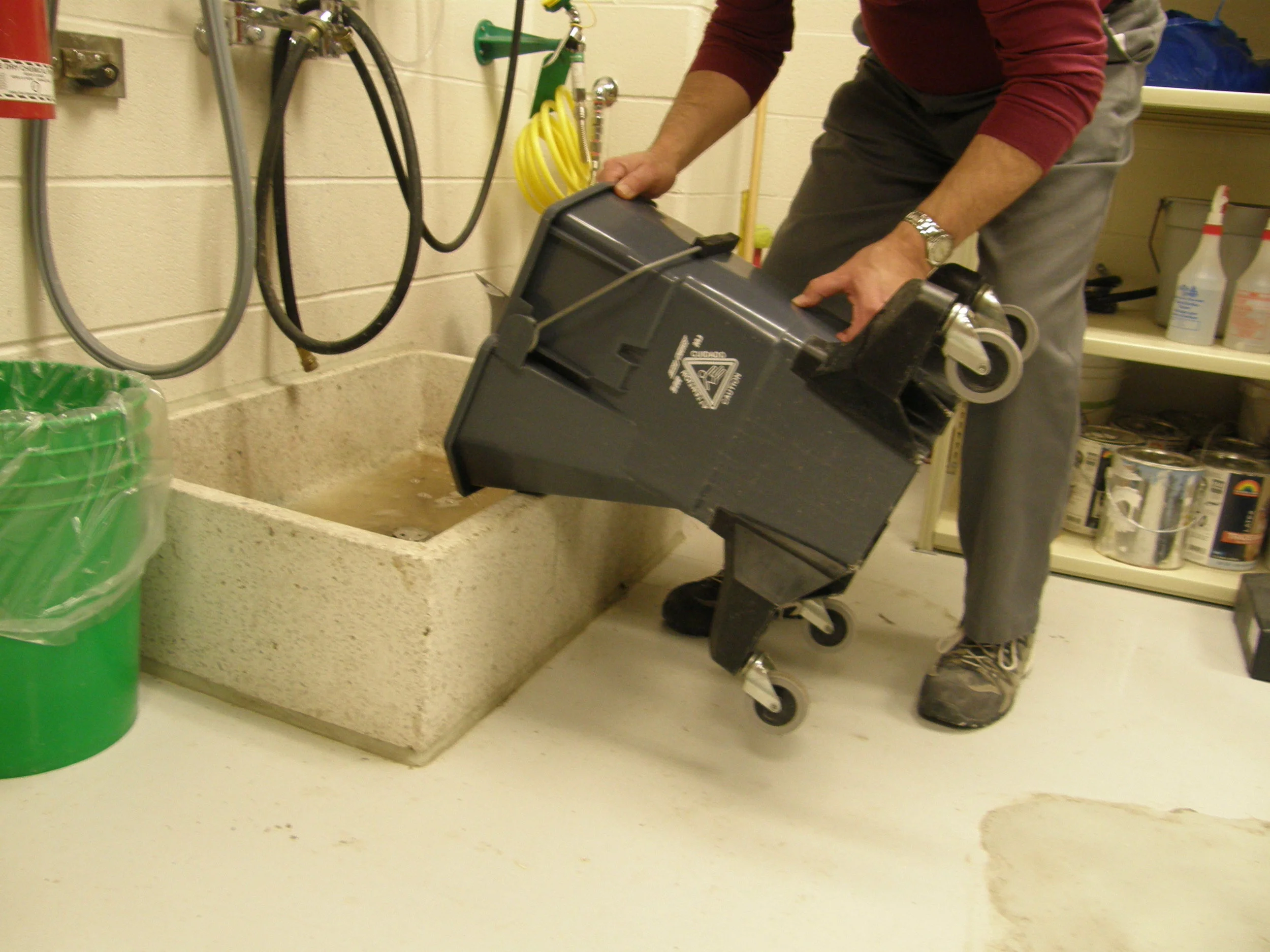
Step 2: Observation of a worker performing the job to collect data.
Pictures and video are used to document postures and duration
Tape measure, force gauge and weigh scale are used to measure physical requirements
Step 3: Evaluate the data using ergonomic assessment tools.
Tools including REBA (Rapid Entire Body Assessment), RULA (Rapid Upper Limb Assessment), Liberty Mutual Manual Handling Tables (Snook tables), ANSI guidelines, Strain Index, NIOSH lifting equation, etc.
What’s included?
Pre-meeting with supervisor, manager or main contact
On-site risk assessment
A report summarizing the main hazards identified, the level of risk for MSD and recommendations to mitigate the hazards.